Wildfire preparation is often imagined as a response to visible flames. By then, the most valuable decisions may already have been made: whether dry fuel was cleared from a deck, whether a driveway can take a fire appliance, whether a household knows two ways out, and whether neighbours have discussed who may need help.
Fire and Emergency New Zealand warned in August that developing El Niño conditions could bring warmer temperatures, reduced rainfall and stronger winds to parts of the country during the 2026–27 season. Forecast uncertainty remains, but uncertainty is not a reason to wait. It is a reason to complete low-cost actions that improve safety under several possible summers.
Risk is local and changes daily
National outlooks describe broad conditions. Actual fire danger depends on recent rain, wind, vegetation, slope and human activity. Before lighting or using spark-producing equipment, people should check current restrictions and local conditions.
Most ignition is preventable
Fire and Emergency says human activity starts the overwhelming majority of New Zealand wildfires. Mowing, welding, chainsaws, vehicles in dry grass and poorly controlled burns can all create ignition. Timing work for cooler, calmer conditions is a practical control.
Defensible space is not a guarantee
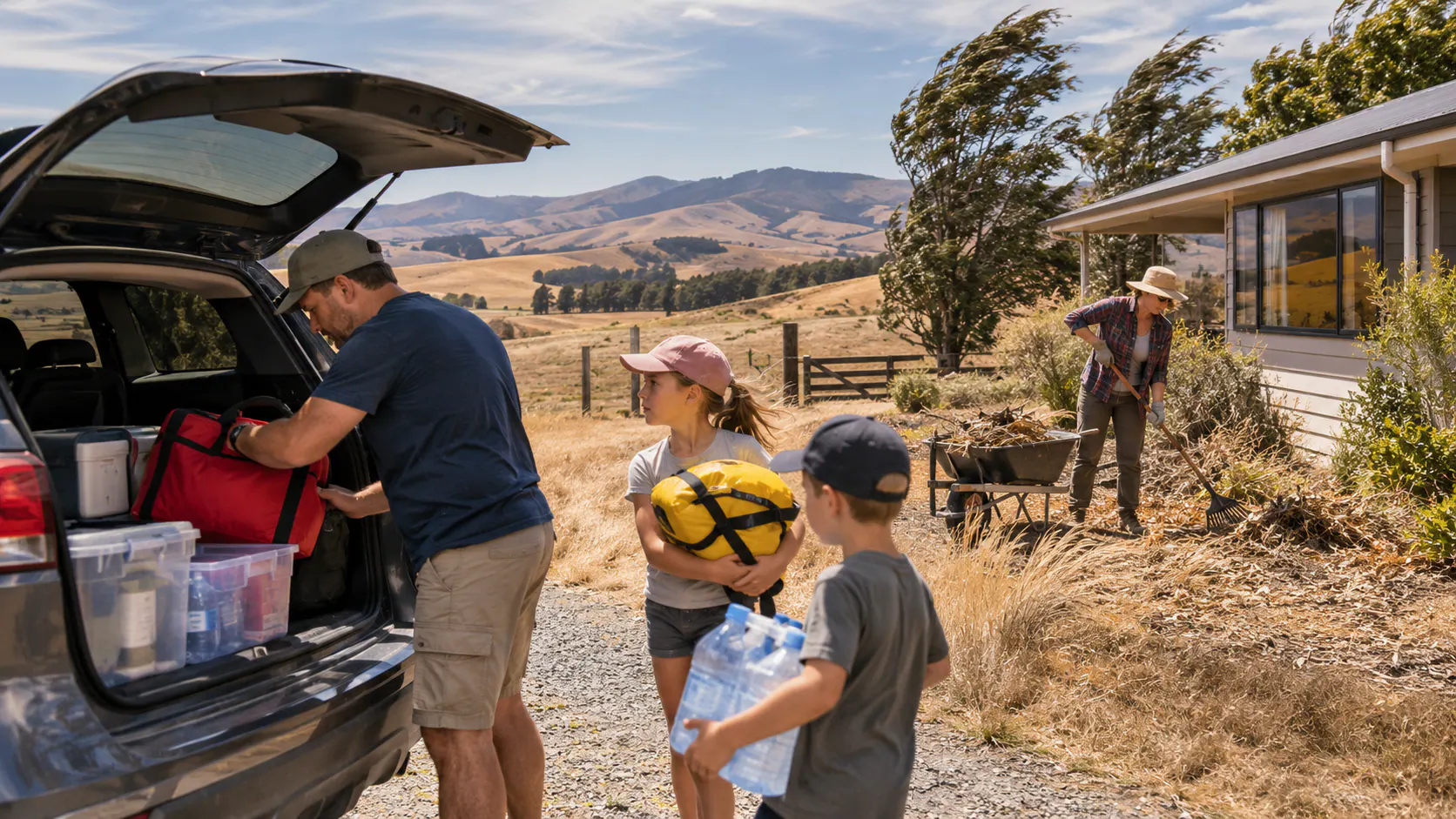
Short grass, cleared gutters and less flammable planting can reduce fuel close to buildings and give firefighters options. They do not make a home fireproof, so maintenance must sit beside evacuation planning.
Access and water matter
A gate, narrow bridge or overgrown driveway can delay appliances. Rural households should make addresses visible, keep access clear and understand what water is available without assuming firefighters can rely on a domestic tank.
Plan to leave early
A fast-moving fire may arrive before an official warning. Decide what triggers departure, where to go, what route to use and what to do if that route closes. Pets, livestock, medicines, documents and mobility needs require specific arrangements.
Neighbours are part of the system
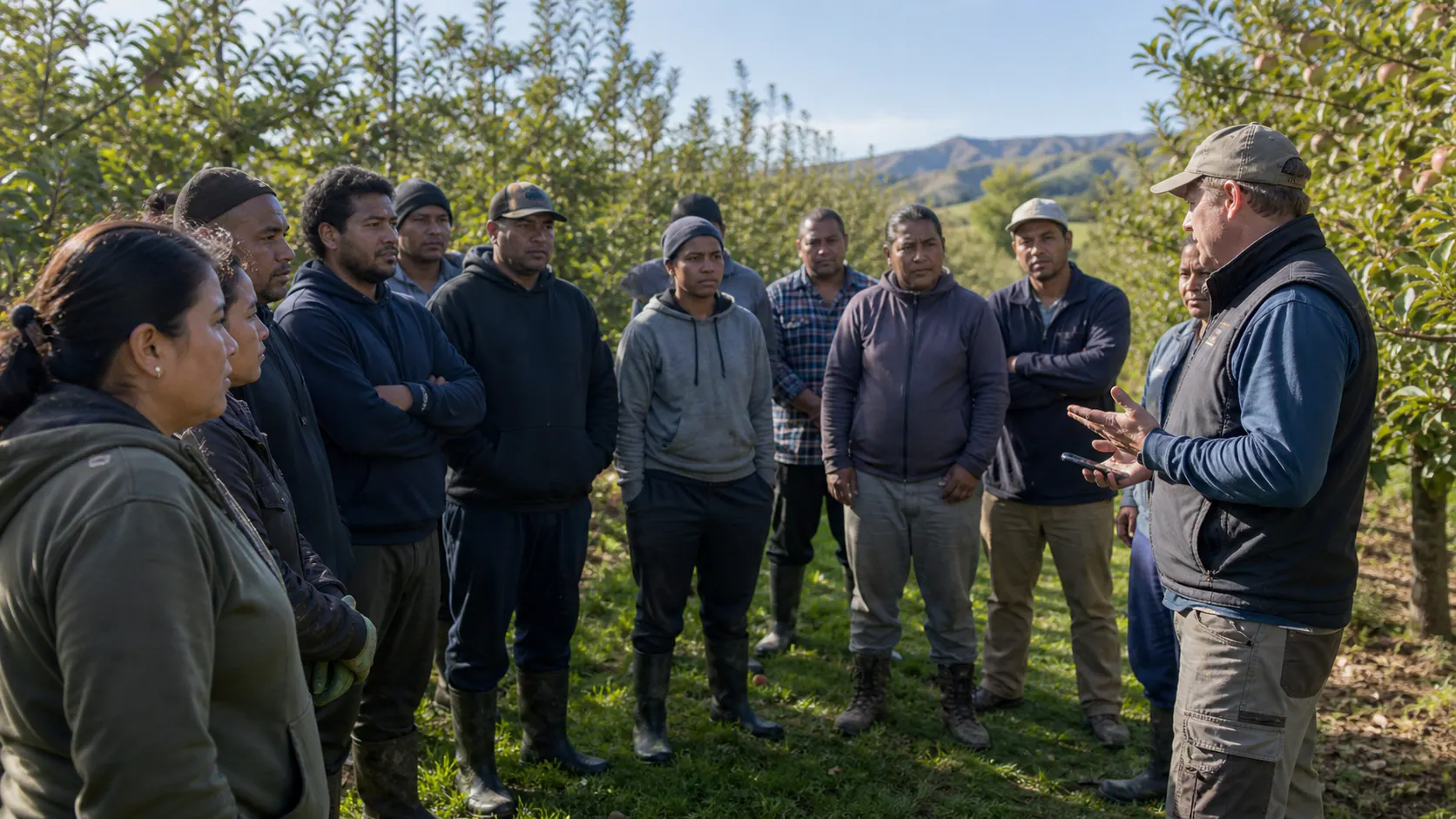
Someone living alone, a visitor unfamiliar with the road, or a household without transport may need help. Exchange contact details before high-risk days and agree on a simple check-in plan.
Holiday properties need their own plan
Baches and campsites may have unfamiliar exits, patchy reception and visitors who do not know local place names. On arrival, identify the address, exits and current fire season, and avoid assuming summer rain has removed risk.
Preparation is a season-long habit
Review vegetation, equipment use and evacuation supplies as conditions change. A household plan should be short enough to use under pressure. The purpose is not to predict the exact fire; it is to make the first safe decision easier.
Sources and further reading
- Fire and Emergency New Zealand: elevated wildfire risk this summer
- Fire and Emergency New Zealand: When wildfire threatens
- Fire and Emergency New Zealand: Protect your home