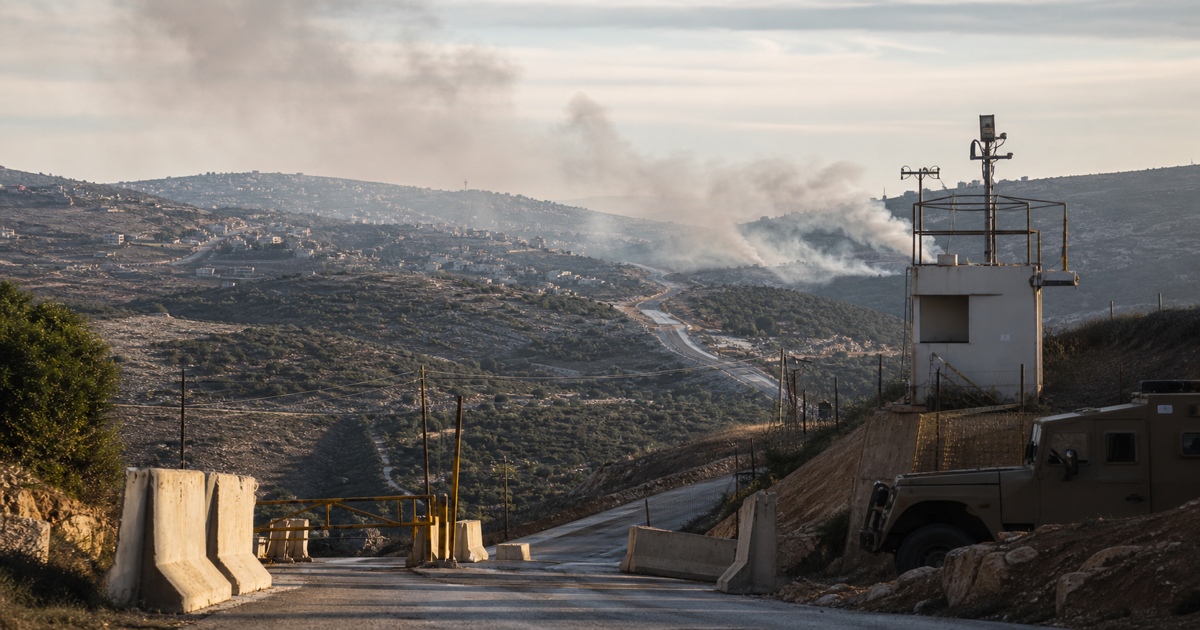
ABC reports that Israel’s operation in southern Lebanon continues to expand, despite a ceasefire framework that has not halted violence in practice. The story is a reminder that ceasefire is not the same word as peace.
The grey zone
Ceasefires often create grey zones: areas where full-scale war has paused, but surveillance, raids, displacement, local fear and infrastructure damage continue. Civilians experience that not as diplomatic progress, but as chronic insecurity. The absence of headline war can hide the persistence of daily danger.
Why it matters beyond Lebanon
- Humanitarian agencies need access and predictability, not only lower-intensity conflict.
- Border communities cannot rebuild if military risk remains constant.
- Regional escalation can restart quickly when each incident is interpreted through mistrust.
- International diplomacy loses credibility when ceasefire language does not match civilian reality.
The central question is not whether a ceasefire exists on paper. It is whether people can return, schools can open, farms can operate and local authorities can plan beyond tomorrow. Southern Lebanon shows how unfinished war can continue under a quieter name.